


Residential Sprinkler System Cost Analysis: What You Need to Know
When it comes to keeping your lawn lush and green, a residential sprinkler system can be a game-changer. But before you dive in, it’s smart to understand the costs involved and the benefits you’ll enjoy. I’ve spent plenty of time helping folks figure out the best irrigation solutions, so let me walk you through the essentials of residential sprinkler system cost analysis. You’ll get the lowdown on what to expect, how to save, and why it’s worth considering for your home.
Breaking Down the Sprinkler System Cost Analysis
Let’s start with the basics. Installing a sprinkler system isn’t just about buying some pipes and sprinklers. It’s a combination of materials, labour, design, and sometimes permits. Here’s a quick breakdown of what influences the price:
System Size: The bigger your yard, the more sprinklers and piping you’ll need.
Type of System: Pop-up sprinklers, drip irrigation, or rotor sprinklers all come with different price tags.
Installation Complexity: If your yard has slopes, rocky soil, or tricky landscaping, expect the cost to rise.
Automation Features: Adding timers and smart controllers can increase upfront costs but save water and effort later.
Water Source and Pressure: Sometimes, you need a pump or pressure regulator, which adds to the bill.
For example, a small suburban garden might cost a few thousand dollars to set up, while a large property with multiple zones and smart controls could run into the tens of thousands. It’s all about tailoring the system to your needs.
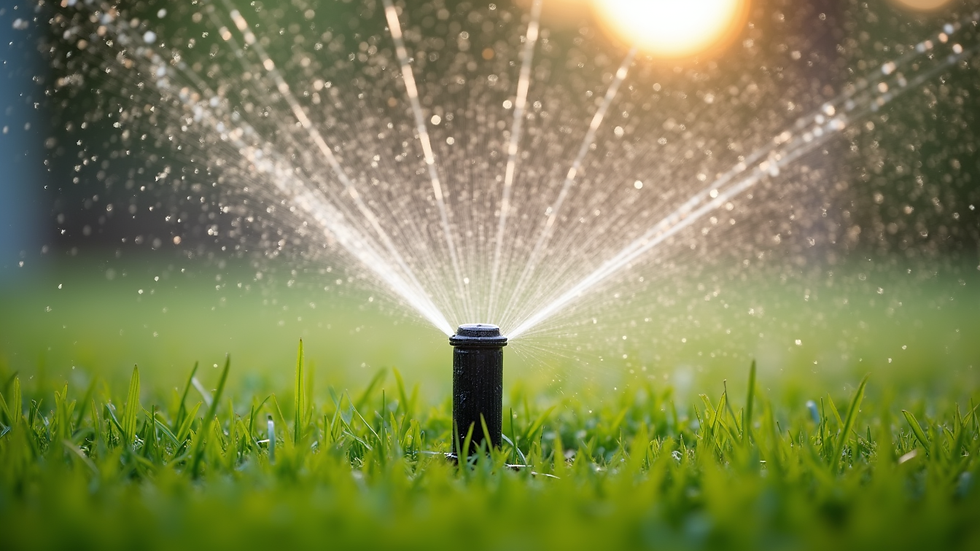
How much does it cost to install irrigation system in Australia?
If you’re in Australia, especially around the Central Coast and nearby regions, you’ll find that prices can vary based on local labour rates and material availability. On average, installing a residential irrigation system here can range from $2,500 to $7,000 for a typical home garden. Larger or more complex systems will cost more.
Here’s what you might expect:
Basic system for small yards: $2,500 - $4,000
Medium-sized system with automation: $4,000 - $6,000
Large or commercial-grade systems: $6,000 and up
Keep in mind, these prices usually include design, installation, and basic equipment. If you want smart irrigation controllers that connect to your phone or weather sensors, add a few hundred dollars more.
One tip: Getting a professional assessment can save you money in the long run. They’ll design a system that uses water efficiently and avoids overwatering, which can hurt your plants and your wallet.
The Benefits of Installing a Residential Sprinkler System
Now, let’s talk about why you might want to invest in a sprinkler system beyond just the green grass. The benefits go beyond aesthetics:
Water Efficiency: Automated systems deliver water exactly where and when it’s needed, reducing waste.
Time Savings: No more dragging hoses or manually watering. Set it and forget it.
Healthier Plants: Consistent watering helps plants thrive and resist pests and diseases.
Increased Property Value: A well-maintained garden with an irrigation system can boost your home’s appeal.
Convenience: You can program watering schedules around your lifestyle, even when you’re away.
Imagine coming home after a long day to a perfectly watered garden without lifting a finger. That’s the kind of convenience a sprinkler system offers.

How to Choose the Right Sprinkler System for Your Home
Choosing the right system can feel overwhelming, but it doesn’t have to be. Here are some practical tips to help you decide:
Assess Your Yard Size and Shape
Measure your lawn and note any slopes or shaded areas. This helps determine the number and type of sprinklers needed.
Consider Your Water Source
Check your water pressure and availability. Some systems need pumps or pressure regulators.
Think About Automation
Basic timers are affordable, but smart controllers can save water and money over time.
Plan for Zones
Different plants have different watering needs. Dividing your garden into zones ensures each area gets the right amount.
Get Professional Advice
A local expert can design a system tailored to your soil, climate, and plants.
Budget Wisely
Don’t just go for the cheapest option. Quality materials and installation pay off in durability and performance.
By following these steps, you’ll avoid common pitfalls like uneven watering or system breakdowns.
Maintaining Your Sprinkler System for Longevity and Savings
Installing the system is just the start. To keep it running smoothly and save money, regular maintenance is key. Here’s what I recommend:
Seasonal Checks: Inspect your system at the start and end of the watering season.
Look for Leaks: A leaking sprinkler head can waste hundreds of litres of water.
Clean Nozzles: Dirt and debris can clog sprinklers, reducing coverage.
Adjust Timers: Change watering schedules based on weather and season.
Winterise Your System: In colder months, drain and protect pipes to prevent damage.
A little upkeep goes a long way. Plus, it helps you spot issues before they become costly repairs.
Wrapping It Up: Is a Sprinkler System Worth It?
If you want a green, healthy garden without the hassle, a residential sprinkler system is a smart investment. Sure, there’s an upfront cost, but the benefits in water savings, convenience, and plant health make it worthwhile. Plus, with the right design and maintenance, your system will serve you well for years.
If you’re curious about the cost of residential sprinkler system, it’s best to get a tailored quote. That way, you know exactly what you’re getting and how it fits your budget.
Ready to give your garden the care it deserves? A sprinkler system might just be the upgrade you need. Happy watering!


Comments