


How to Design Effective Irrigation Design for Sports Fields
Designing irrigation for sports fields is a bit like planning a party. You want everything to run smoothly, guests (or grass) to be happy, and no one left thirsty. Whether you’re dealing with a local footy oval, a cricket pitch, or a multi-use sports ground, getting the irrigation right is key to keeping the turf lush, playable, and safe. Let’s dive into how to design effective sports field irrigation that works hard and saves water.
Why Good Irrigation Design for Sports Fields Matters
You might think watering grass is as simple as turning on a hose. But sports fields are a different beast. They face heavy foot traffic, varying weather, and strict maintenance schedules. Poor irrigation can lead to dry patches, muddy spots, or even turf diseases. That’s bad news for players and groundskeepers alike.
Good irrigation design means:
Even water distribution so no dry or soggy spots.
Water efficiency to save on bills and protect the environment.
Durability to handle wear and tear from sports activities.
Ease of maintenance so you’re not stuck fixing leaks or clogged sprinklers every week.
If you nail these, you’ll have a field that looks great and plays well all year round.
Key Steps in Irrigation Design for Sports Fields
Designing an irrigation system isn’t just about sprinklers and pipes. It’s a process that involves careful planning and smart choices. Here’s how I approach it:
1. Assess the Field and Soil
Start by checking the soil type and field layout. Sandy soils drain quickly but don’t hold water well. Clay soils hold water but can get waterlogged. Knowing this helps you decide how much water to apply and how often.
Also, look at the field’s shape and size. Are there slopes or uneven areas? These affect water flow and coverage.
2. Choose the Right Irrigation System
There are a few options:
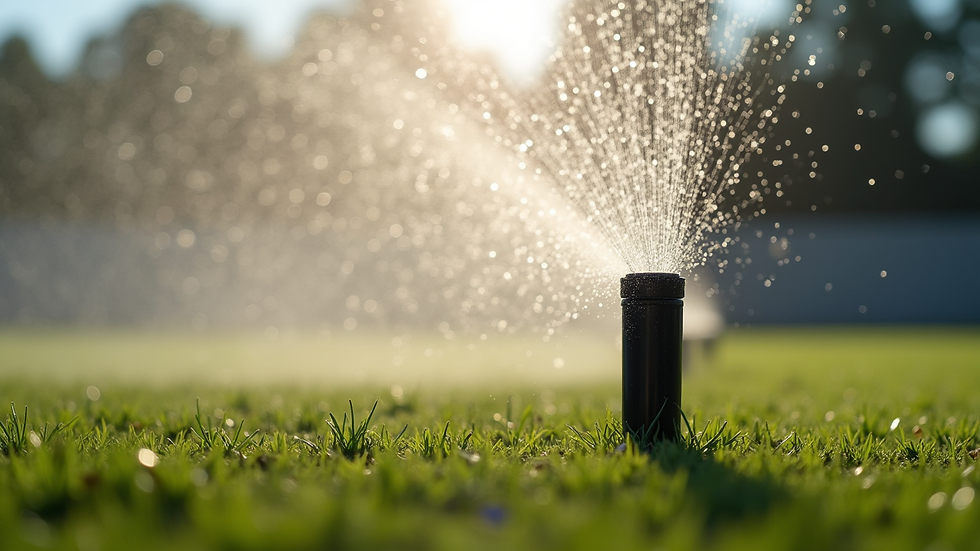
Pop-up sprinklers: Great for even coverage and minimal interference during games.
Rotor sprinklers: Cover large areas with adjustable spray patterns.
Drip irrigation: Rare for sports fields but useful in specific zones like sidelines or landscaping.
For most sports fields, a combination of pop-up and rotor sprinklers works best.
3. Design for Uniform Coverage
Sprinklers should overlap their spray patterns to avoid dry spots. Think of it like a Venn diagram where each circle covers part of the field, and the overlaps get consistent watering.
Use design software or consult irrigation maps to plan this. It saves headaches later.
4. Plan for Water Pressure and Flow
Make sure your water source can supply enough pressure and flow for all sprinklers running at once. If not, you might need pumps or pressure regulators.
5. Automate with Smart Controllers
Timers and moisture sensors can automate watering schedules. This means watering happens at the best times (usually early morning or late evening) and only when needed.
6. Consider Drainage
Good irrigation design also means planning for excess water. Proper drainage prevents puddles and soggy turf, which can damage the field and cause injuries.

Common Mistakes to Avoid in Sports Field Irrigation
Even with the best intentions, some pitfalls can trip you up. Here are a few to watch out for:
Overwatering: It’s tempting to keep the grass green, but too much water leads to fungal diseases and weak roots.
Ignoring soil tests: Without knowing your soil, you’re guessing how much water to apply.
Poor sprinkler placement: Gaps or excessive overlap waste water and cause uneven turf.
Not adjusting for seasons: Water needs change with weather. A system that can’t adapt wastes resources.
Neglecting maintenance: Sprinklers get clogged, pipes leak, and sensors fail. Regular checks keep the system efficient.
Practical Tips for Maintaining Your Sports Field Irrigation System
Once your system is up and running, keeping it in top shape is crucial. Here’s what I recommend:
Regular inspections: Check for broken heads, leaks, or blocked nozzles monthly.
Seasonal adjustments: Change watering schedules based on rainfall and temperature.
Flush the system: Clear out debris from pipes at least once a year.
Test sensors and controllers: Make sure automation is working correctly.
Train staff: Everyone involved should know how to operate and troubleshoot the system.
These simple steps save money and keep your field looking its best.
Why I Recommend Professional Help for Sports Field Irrigation Design
Designing and installing an irrigation system for sports fields is a big job. It requires technical know-how, experience, and the right tools. While DIY might seem tempting, a professional can:
Tailor the system to your specific field and soil.
Ensure compliance with local water regulations.
Provide ongoing support and maintenance.
Help you save water and money in the long run.
If you want a system that works perfectly and lasts, getting expert advice is a smart move.
For those interested in learning more about sports field irrigation design, there are plenty of resources and professionals ready to help.
Keeping Your Sports Field Green and Game-Ready
Designing effective irrigation for sports fields is about more than just watering grass. It’s about creating a playing surface that’s safe, durable, and visually appealing. With the right planning, equipment, and maintenance, you can keep your field in top shape season after season.
Remember, a well-watered field is a happy field. So roll up your sleeves, plan carefully, and watch your sports ground thrive!


Comments