


Ensuring Clean Water: Household Water Filtration Made Simple
Clean water is something we all take for granted until it’s not there or it tastes funny. Whether you’re running a home, a business, or managing a farm, having reliable access to pure water is a must. I’ve spent a fair bit of time helping folks in the Central Coast and nearby areas get their water systems sorted. Today, I want to share some straightforward tips and insights about household water filtration that can make a real difference.
Why Household Water Filtration Matters
Water comes from many sources - rain, rivers, underground wells, or municipal supplies. But no matter where it comes from, it can carry impurities. These might be tiny bits of dirt, chemicals, or even bacteria. Drinking or using water with these contaminants can cause health issues or damage your appliances.
Installing a good filtration system helps remove these unwanted guests. It’s like giving your water a quick spa treatment before it reaches your taps. Plus, filtered water tastes better, smells fresher, and is kinder to your skin and hair.
For homes, businesses, and farms, clean water means:
Healthier drinking water for your family or customers
Better irrigation for crops and gardens
Longer-lasting plumbing and appliances
Peace of mind knowing your water is safe
If you’re thinking about upgrading your water quality, a water filtration system installation is a smart move. It’s an investment that pays off every day.

Choosing the Right Household Water Filtration System
Not all filtration systems are created equal. The right one depends on your water source, what contaminants you want to remove, and your budget. Here are some common types:
Activated Carbon Filters: Great for removing chlorine, bad tastes, and odors. They’re common in pitchers and under-sink units.
Reverse Osmosis Systems: These push water through a fine membrane to remove a wide range of contaminants, including heavy metals and salts.
UV Filters: Use ultraviolet light to kill bacteria and viruses. Often combined with other filters.
Sediment Filters: Catch dirt, sand, and rust particles before they reach your taps.
Whole House Filters: Installed at the main water entry point, these protect your entire home’s plumbing and appliances.
To pick the best system, start by testing your water. You can get a simple test kit or hire a professional. Knowing what’s in your water helps you choose the right filter.
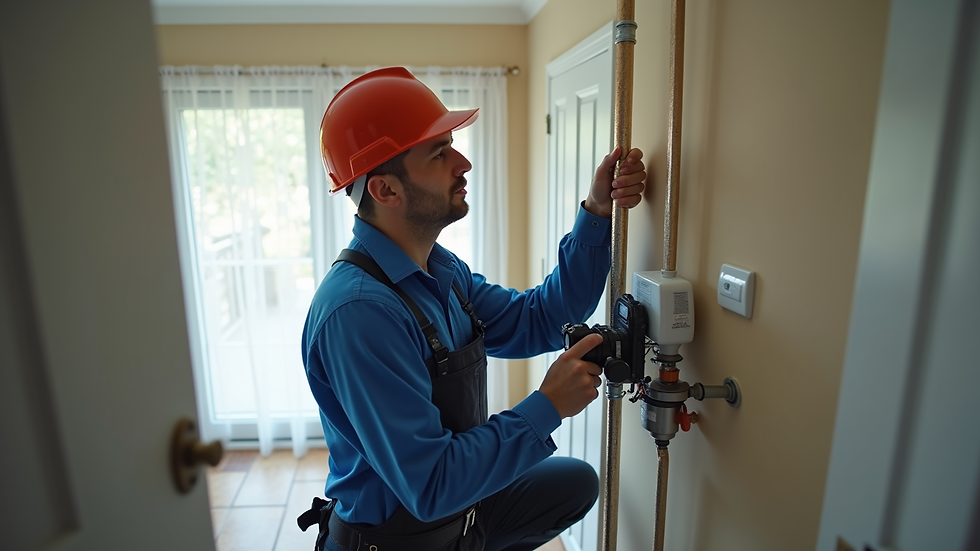
Installation can be a DIY project if you’re handy, but for most people, calling in an expert is the way to go. Proper installation ensures your system works efficiently and lasts longer.
How much does it cost to install a home filtration system?
Cost is always a big question. The price of installing a home filtration system varies widely based on the type and complexity of the system you choose.
Here’s a rough guide:
Basic activated carbon filters: $100 to $300 for the unit, plus installation if you hire a pro.
Reverse osmosis systems: $300 to $1,000, depending on capacity and features.
Whole house filtration systems: $1,000 to $3,000 or more, including installation.
Keep in mind, cheaper systems might save you money upfront but could cost more in maintenance or replacement filters. It’s worth investing in quality and professional installation to avoid headaches down the track.
Also, some systems require regular filter changes every 6 to 12 months. Factor in these ongoing costs when budgeting.
Tips for Maintaining Your Water Filtration System
Once your system is up and running, keeping it in good shape is key. Here are some easy tips:
Change filters regularly - Follow the manufacturer’s schedule. Dirty filters reduce water flow and filtration quality.
Clean the system - Some units need periodic cleaning to prevent buildup.
Check for leaks - Inspect connections and fittings to avoid water damage.
Test your water - Occasionally test your water to ensure the system is working well.
Keep records - Note when you install or replace parts to stay on top of maintenance.
A well-maintained system can last many years and keep your water tasting fresh and clean.
Taking the Next Step for Better Water Quality
If you’re ready to improve your water quality, start by assessing your current water source and needs. Whether it’s for your home, business, or farm, clean water is essential.
Remember, a professional water filtration system installation can save you time and ensure everything is set up correctly. Don’t hesitate to reach out to local experts who understand the unique water challenges in the Central Coast and surrounding regions.
Clean water is a simple pleasure that makes a big difference. With the right filtration system, you can enjoy peace of mind and better water every day. Cheers to that!


Comments